

If you’re planning a photographic safari and asking “When is the best time to visit Amboseli for photography?”,
The best time to visit Amboseli for photography is during the dry seasons, from June to October and January to February, with peak conditions in September and October.
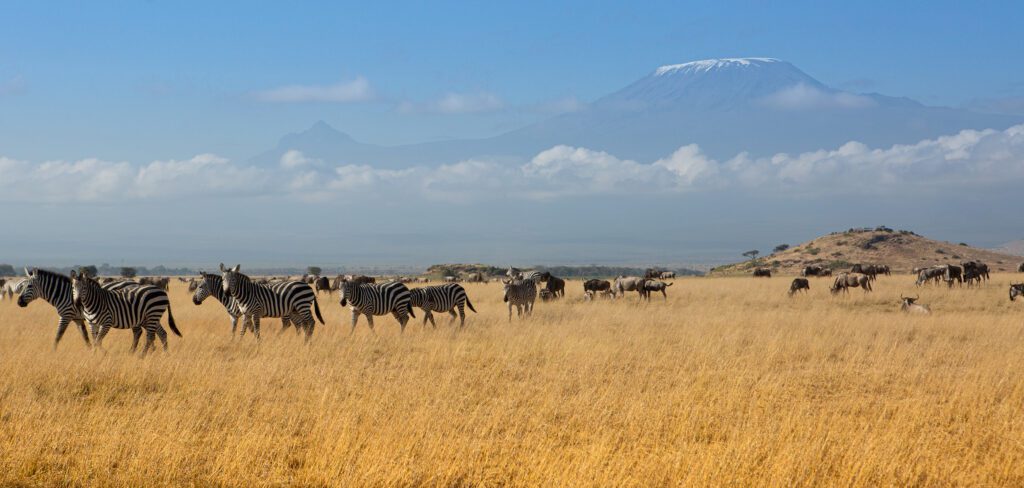
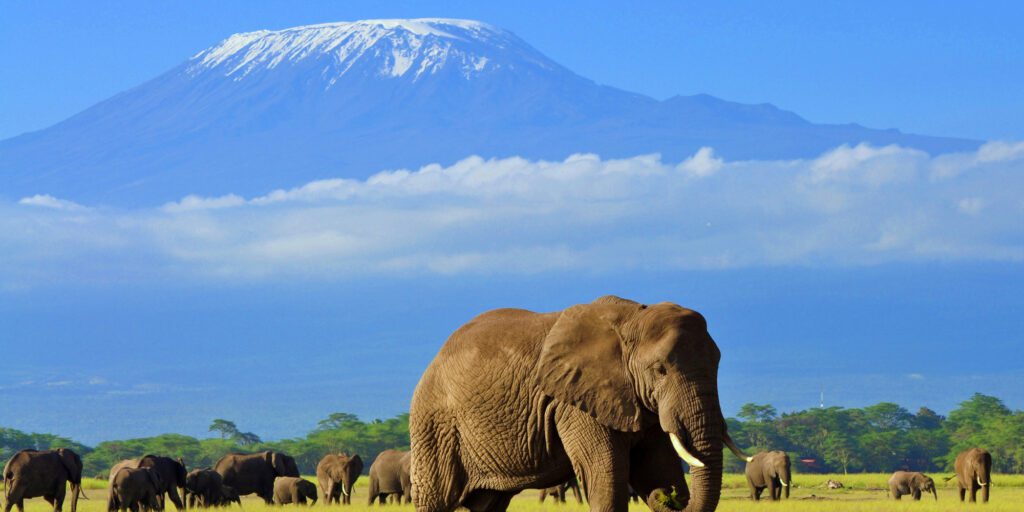
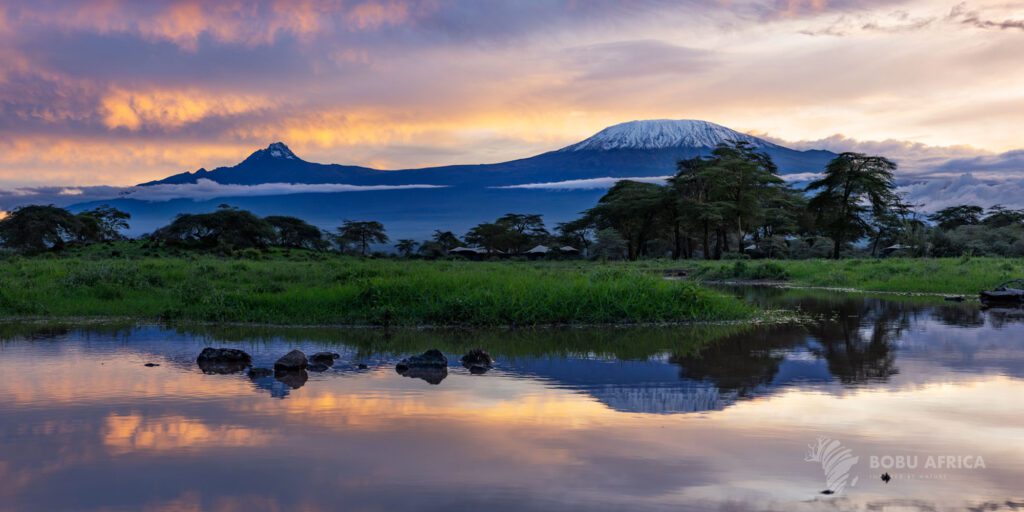
During these months, wildlife is easier to locate, visibility is excellent, and the chances of capturing the iconic backdrop of Mount Kilimanjaro rising behind elephants in Amboseli National Park are significantly higher.
Understanding Amboseli Through a Photographer’s Lens
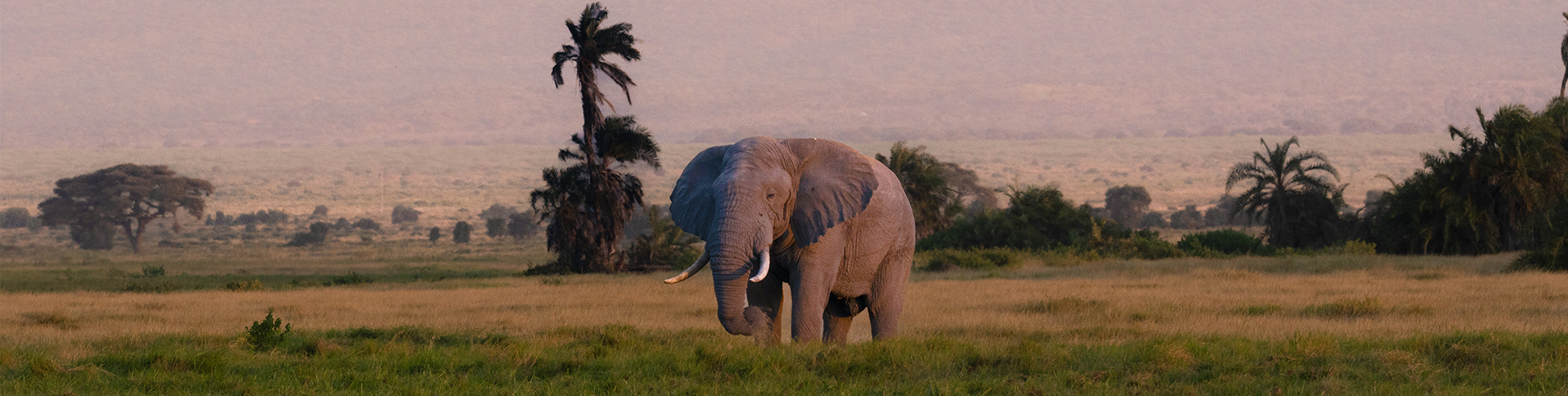
At Bobu Africa, we approach Amboseli differently. It’s not just a park, it’s a composition. Light, dust, scale, and movement all converge here in a way that rewards patience and precision. The park is globally renowned for its large elephant herds, often featuring some of Africa’s last remaining big tuskers. But what elevates Amboseli photographically is not just the wildlife, it’s the setting.
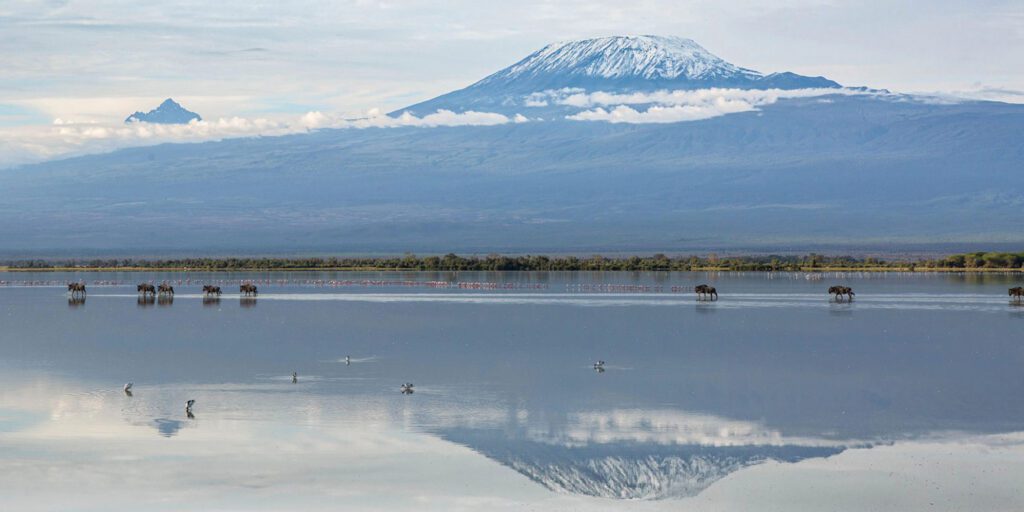
The flat, open plains, seasonal swamps, and the ever-present silhouette of Kilimanjaro create a natural studio where every frame has depth and context. However, capturing this effectively depends almost entirely on timing and conditions.
Why Dry Season is Best for Photography
From June through October, and again in January and February, Amboseli enters its dry phase. This transforms the landscape in ways that are highly favorable for photography.
Water becomes scarce, which naturally concentrates wildlife around the park’s swamps and remaining water sources. This predictability allows for more controlled positioning, a key factor in wildlife photography. Instead of searching vast areas, you are working within known movement patterns.
Vegetation is also thinner, improving line of sight. This means fewer obstructed frames and cleaner compositions, especially important when photographing elephants against distant backdrops.
Perhaps most importantly, the dry season offers the clearest views of Mount Kilimanjaro. Cloud cover is significantly reduced, particularly in the early mornings and late evenings, giving you the best chance to capture that iconic frame: elephants moving across dusty plains with Africa’s highest peak rising behind them.
Month-by-Month Photographic Breakdown
Each period within Amboseli’s calendar offers a slightly different creative opportunity.
June to August marks the beginning of the dry season. The light is softer, temperatures are moderate, and the park begins to open up visually. Wildlife sightings become more consistent, making this a strong all-around period.
September to October is widely considered the peak for photographers. The landscape is at its driest, which creates dramatic dust conditions, ideal for backlit photography. Elephants kicking up dust at sunrise or sunset produce some of the most iconic images you can capture in East Africa.
January to February offers a second, shorter dry window. This period combines good wildlife visibility with slightly greener tones compared to later months, giving you a different aesthetic while still maintaining strong photographic conditions.
What About the Green Season?
The period from March to May and again in November is often overlooked—but not without reason. These are the rainy months, and while they introduce logistical challenges, they also offer unique creative opportunities.
The landscape transforms into a lush, green environment, which is ideal for contrast-rich compositions and bird photography. Migratory bird species are abundant, and the skies often provide dramatic cloud formations that can enhance wide-angle shots.
However, Kilimanjaro is frequently obscured by clouds, and wildlife disperses due to the abundance of water, making sightings less predictable. For pure wildlife density and iconic imagery, the dry season remains superior.
Capturing Amboseli Like a Field Professional
Photographing Amboseli at a high level requires more than just being there at the right time, it’s about understanding how to work with the environment.
Light is your primary tool. Early mornings offer soft, diffused light with higher chances of clear views of Kilimanjaro. Late afternoons, on the other hand, introduce warmth and contrast, often enhanced by dust in the air. This is when silhouettes and dramatic compositions come to life.
Positioning is equally critical. The key to Amboseli photography is aligning three elements: subject, light, and background. This often means being deliberate about your angle relative to Kilimanjaro, rather than simply focusing on the animal itself.
Dust, often seen as a challenge, becomes an asset in Amboseli. When used correctly, especially with backlighting, it adds texture, depth, and atmosphere to your images. Some of the most compelling frames come from embracing these conditions rather than avoiding them.
Why Amboseli Stands Out for Photography
Unlike denser parks, Amboseli offers a level of visual clarity that is rare in Africa. The open terrain allows for long sightlines, making it possible to create images that feel expansive rather than confined.
The presence of large elephant herds, combined with the dramatic backdrop of Kilimanjaro, creates a photographic identity that is instantly recognizable. Few places offer such a consistent opportunity to capture scale, movement, and landscape in a single frame.
For photographers, this means you are not just documenting wildlife, you are telling a story of place.
Final Answer (Quick Recap)
- Best time to visit Amboseli for photography:
June to October, and January to February - Peak months for Mt. Kilimanjaro iconic shots:
September and October - Why this period works:
Clear views of Kilimanjaro, concentrated wildlife, minimal vegetation, and dramatic light conditions
Plan Your Amboseli Photography Safari
Timing your visit is only part of the equation. Being in the right place, at the right moment, with the right guidance is what transforms a good safari into an exceptional photographic experience.
At Bobu Africa, we curate Amboseli journeys with a strong focus on positioning, light, and behavior—ensuring that every game drive is intentional and aligned with your photographic goals.
To start planning your Amboseli photography safari, get in touch or send us a message with “AMBOSELI”, and we’ll design a tailored experience that maximizes every moment in the field.